

First Harvest Matcha: What It Means and How to Choose It
First harvest matcha appears on tins, product pages, and cafe menus as a sign of quality. The phrase sounds straightforward, but it is easy to read more into it than the label actually promises. First harvest tells you when the tea leaves were picked. It does not, by itself, confirm a specific origin, cultivar, certification, production method, or flavor.
For a shopper in the United States, the useful question is not whether first harvest is automatically "best." It is whether the tea's harvest information, intended use, freshness, and flavor profile fit the way you plan to prepare it. This guide explains the term without turning it into a guarantee.
What does first harvest matcha mean?
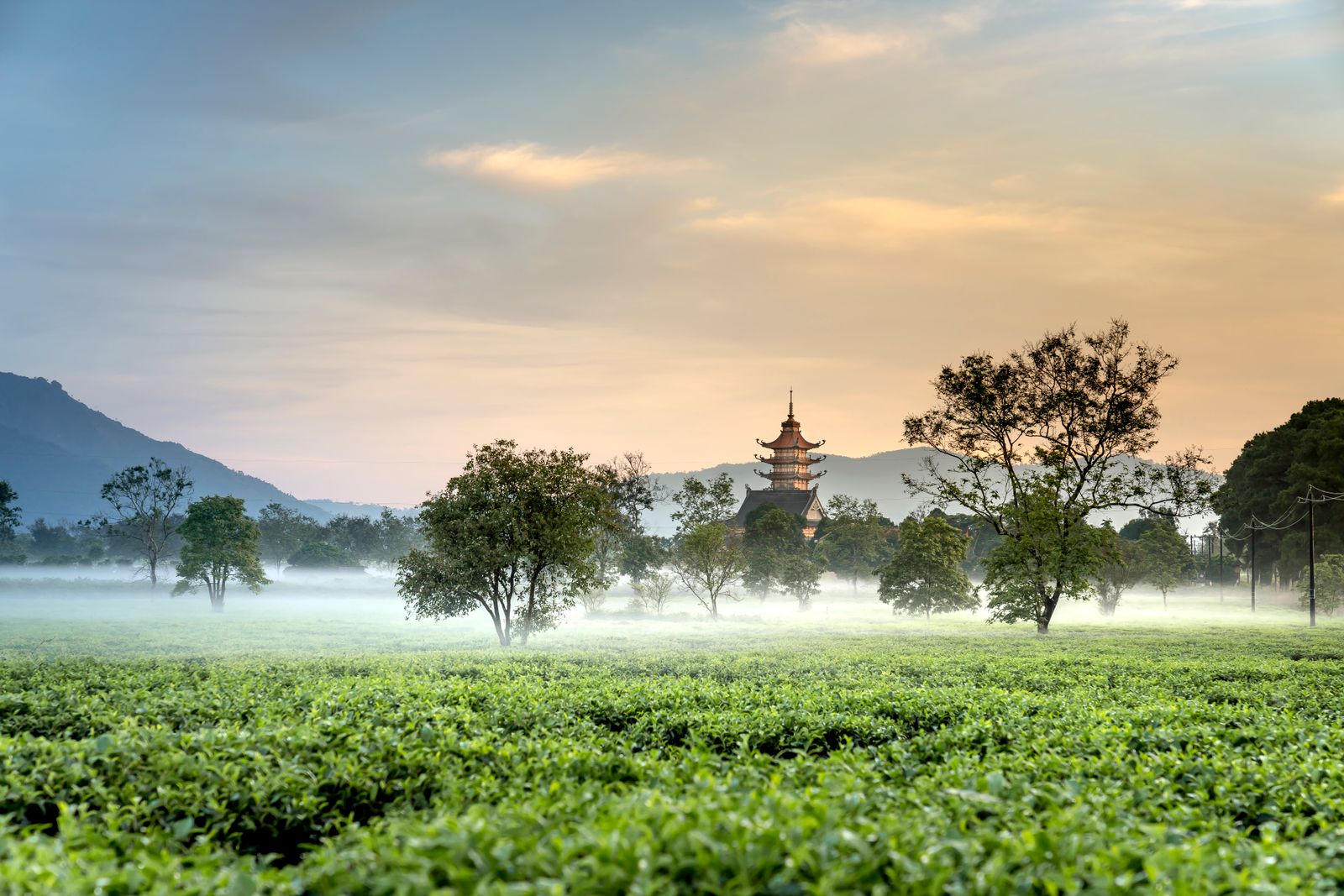
First harvest refers to tea made from the first new shoots collected in a year's growing cycle. In Japanese tea terminology, this harvest is often called ichibancha, meaning "first tea." The timing varies by region, weather, cultivar, and farm practice, so a single calendar date does not apply everywhere.
After winter dormancy, tea plants produce new spring growth. Once the first crop is collected, additional shoots may grow and be harvested later in the season. These later pickings are commonly described as second or subsequent harvests. "First flush" is also used in English for the earliest seasonal picking, although labeling conventions can differ among sellers.
The term describes harvest order. It does not necessarily mean that every leaf was picked by hand, that only one cultivar was used, or that the finished matcha came from a single estate. Those are separate details that should be stated independently.
First harvest versus later harvests
Harvest season can influence the raw material available to the tea maker. Early spring shoots are young and tender, while later growth develops under different temperatures and sunlight. Producers also make choices about shading, picking, steaming, drying, sorting, blending, and milling. All of those decisions affect the final cup.
First harvest matcha is often selected for a softer balance of umami, sweetness, vegetal notes, and mild bitterness. Later-harvest material may be more assertive or astringent and can work well when matcha must remain noticeable alongside milk, fruit, chocolate, or flour. These are useful tendencies, not rules. A skillfully produced later-harvest tea may suit you better than a poorly stored first-harvest tea.
- For water-only matcha: look for balance, a clean aroma, fine texture, and bitterness that does not overwhelm the cup.
- For lattes: choose enough flavor presence to remain clear after milk is added.
- For baking: prioritize a profile designed to stand up to other ingredients rather than paying only for a delicate drinking tea.
What first harvest does not guarantee
It is not the same as ceremonial grade
"Ceremonial grade" is widely used outside Japan to describe matcha intended for drinking, but it is not a single official regulatory grade with one universal specification. Brands and tea makers may use the term differently. First harvest and ceremonial grade can appear together, yet they describe different ideas: one concerns harvest timing, while the other is a market description of intended quality or use.
It is not the same as organic
Organic claims concern how agricultural products are grown, handled, and certified under an applicable standard. First harvest only concerns when the leaves were picked. A tea can be first harvest without being certified organic, or certified organic without being first harvest. If certification matters to you, check the package or current product page for a specific, verifiable certification statement.
It does not identify origin or cultivar
Harvest language alone does not tell you the country, region, farm, cultivar, or whether the matcha is a blend. Look for those details separately. A transparent label should help you understand what is known without relying on vague phrases such as "premium" or "traditional" as substitutes for facts.
How to evaluate first harvest matcha
1. Read the specific claim
Check whether the label clearly says first harvest, first flush, or ichibancha. Then separate that claim from other information. If a product also states an origin, organic certification, cultivar, or harvest year, each detail should stand on its own. Do not assume missing information from the design of the package.
2. Match the tea to your intended drink
A tea selected for straight preparation should taste complete with water alone. A latte matcha needs enough structure to remain recognizable after milk. If you plan to alternate between the two, a balanced all-purpose profile may be more useful than the most delicate option.
Umacha Co.'s current range includes an organic ceremonial matcha powder and a signature ceremonial matcha powder. Use the live product pages to compare their current descriptions and choose according to preparation style rather than temporary pricing.
3. Consider freshness and package size
Matcha is sensitive to air, heat, light, moisture, and strong odors. A smaller package that you finish promptly can be more practical than a large quantity that sits open for months. Before opening, check the package for storage guidance and any date information provided by the seller. After opening, close it tightly and use only a clean, dry spoon.
Single portions can be useful when consistent measuring and travel matter. Individually packed organic matcha sticks offer a different format from a tin without changing the basic preparation principles.
4. Judge the cup, not color alone
Fresh matcha often looks lively green, but photography, screens, lighting, cultivar, and processing can all affect how color appears. Once opened, evaluate several signals together: aroma, fineness, ease of whisking, texture, aftertaste, and how bitterness relates to savory and sweet notes. Bright color is helpful context, not proof of every quality claim.
How to prepare it for a fair taste test
Use a simple, repeatable method before deciding whether a matcha suits you. Changing the powder dose, water temperature, milk, and sweetener at the same time makes comparison difficult.
- Bring fresh water to a boil, then allow it to cool. Start around 160 to 175 degrees Fahrenheit (70 to 80 degrees Celsius).
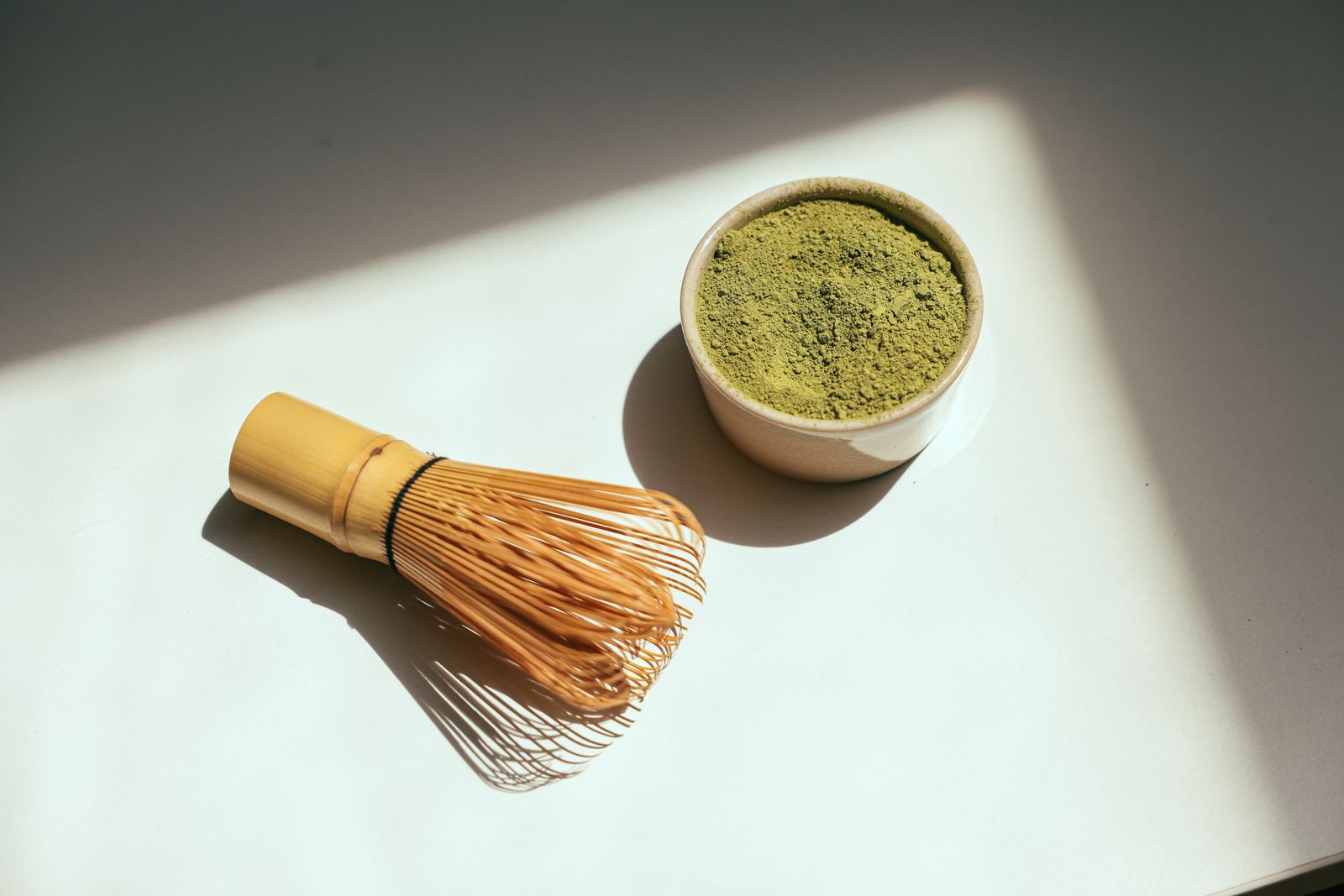
- Sift about 2 grams of matcha into a dry, wide bowl.
- Add 2 to 3 ounces of warm water.
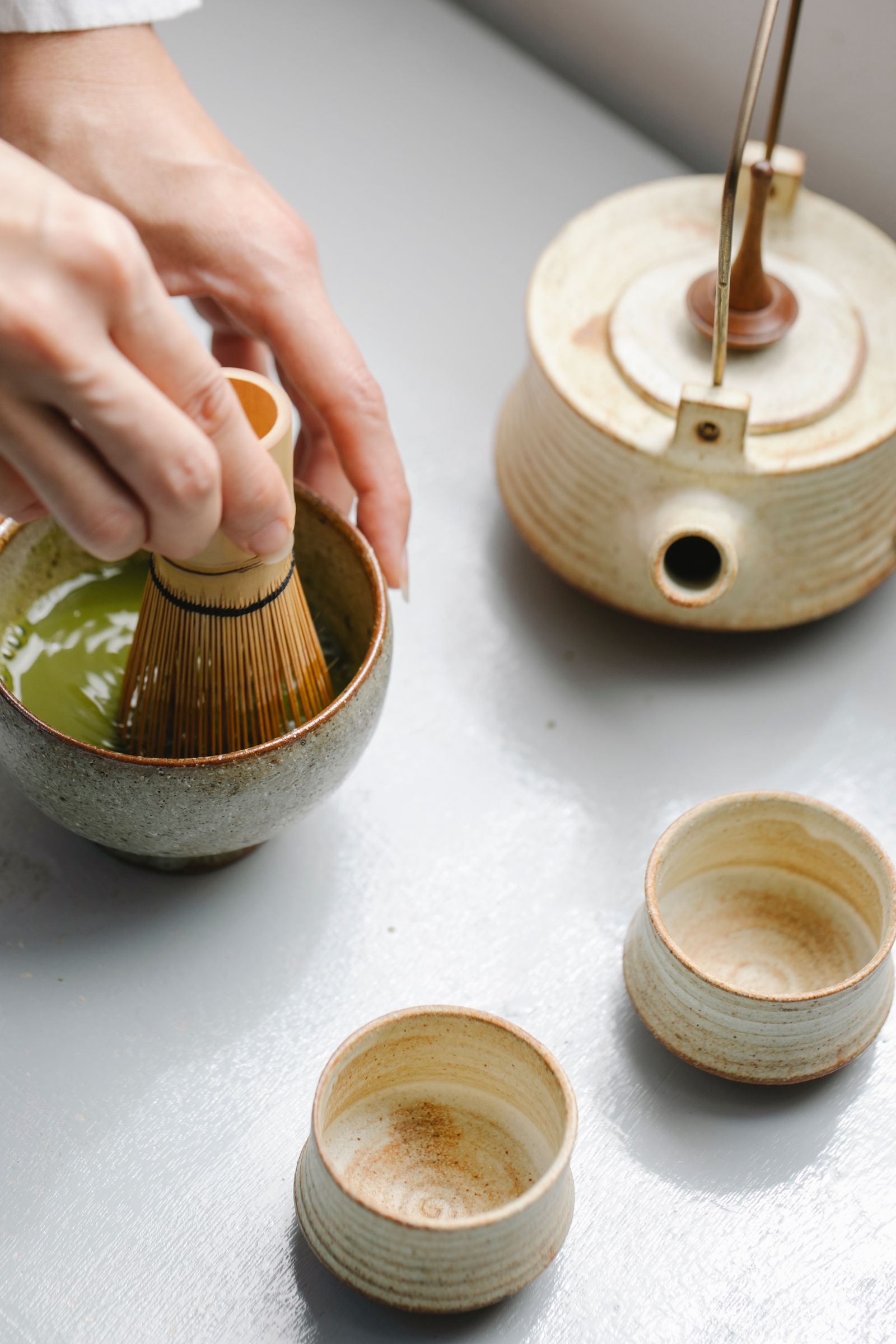
- Whisk briskly in a narrow back-and-forth motion until the surface has fine bubbles.
- Taste before adding milk or sweetener. Note aroma, texture, bitterness, umami, and finish.
If the cup tastes harsh, lower the water temperature or add a little more water before blaming the harvest. If it tastes weak in a latte, adjust the ratio gradually. Consistent measuring is more useful than chasing a large layer of foam.
Is first harvest matcha worth choosing?
It can be, especially when you enjoy matcha with water and want to explore the character of early-season tea. But the phrase should be one part of your decision. Freshness, storage, honest labeling, intended use, and your own taste matter just as much.
Do not treat first harvest as a medical or nutritional promise. Harvest timing does not guarantee energy, concentration, weight loss, or any health outcome. Matcha naturally contains caffeine, and individual responses vary. Choose a serving that fits your sensitivity and routine.
The most useful approach is comparative: prepare two teas with the same water, dose, and method, then decide which flavor you actually prefer. A calm, repeatable tasting tells you more than a prestige term on its own.
Tools for Your First Harvest Matcha Routine
A compact setup is enough. Choose a matcha format that fits your routine, keep the dose consistent, and use tools that solve a clear preparation problem.
- Organic ceremonial matcha powder for water or latte preparation
- Signature ceremonial matcha powder for a second flavor option
- Single-serve organic matcha sticks for measured portions and travel
- Beginner matcha ritual starter set for a coordinated preparation setup
Frequently asked questions
Is first harvest matcha the same as ichibancha?
Ichibancha is the Japanese term commonly used for the year's first tea harvest. In English, sellers may use first harvest or first flush. Always read the complete product description because labeling practices differ.
Is first harvest matcha always ceremonial grade?
No. First harvest describes picking order. Ceremonial grade is a market term generally used for matcha intended for drinking, and it does not have one universal regulated definition.
Does first harvest mean hand-picked?
No. Harvest timing does not identify the picking method. Tea may be hand-picked, mechanically harvested, or collected through a combination of methods. The producer should state that detail separately.
Can I use first harvest matcha in a latte?
Yes. First harvest matcha can work well in a latte, but very delicate flavors may become less noticeable after milk and sweetener are added. Start with a balanced ratio and adjust gradually.
How should I store first harvest matcha?
Keep it tightly sealed, dry, away from heat, light, moisture, and strong odors. Follow the package instructions, use a clean dry spoon, and avoid leaving the container open while preparing your drink.
First harvest is meaningful information when it is read precisely. It tells you where the leaves sit in the seasonal cycle. The rest of the decision comes from transparent labeling, careful preparation, freshness, and the cup you enjoy drinking.