

Matcha vs Coffee: Which Morning Drink Fits You?
Matcha and coffee can both anchor a morning, but they offer very different experiences. Coffee is roasted, aromatic, and familiar. Matcha is finely ground green tea whisked into water, with a vegetal, savory flavor and a preparation ritual that can feel deliberate without being complicated.
The better choice is not universal. It depends on the flavor you enjoy, how you respond to caffeine, the amount of preparation you want, and whether you prefer a concentrated cup, a latte, or a drink that travels easily. This practical matcha vs coffee comparison can help you choose without treating either option as inherently superior.
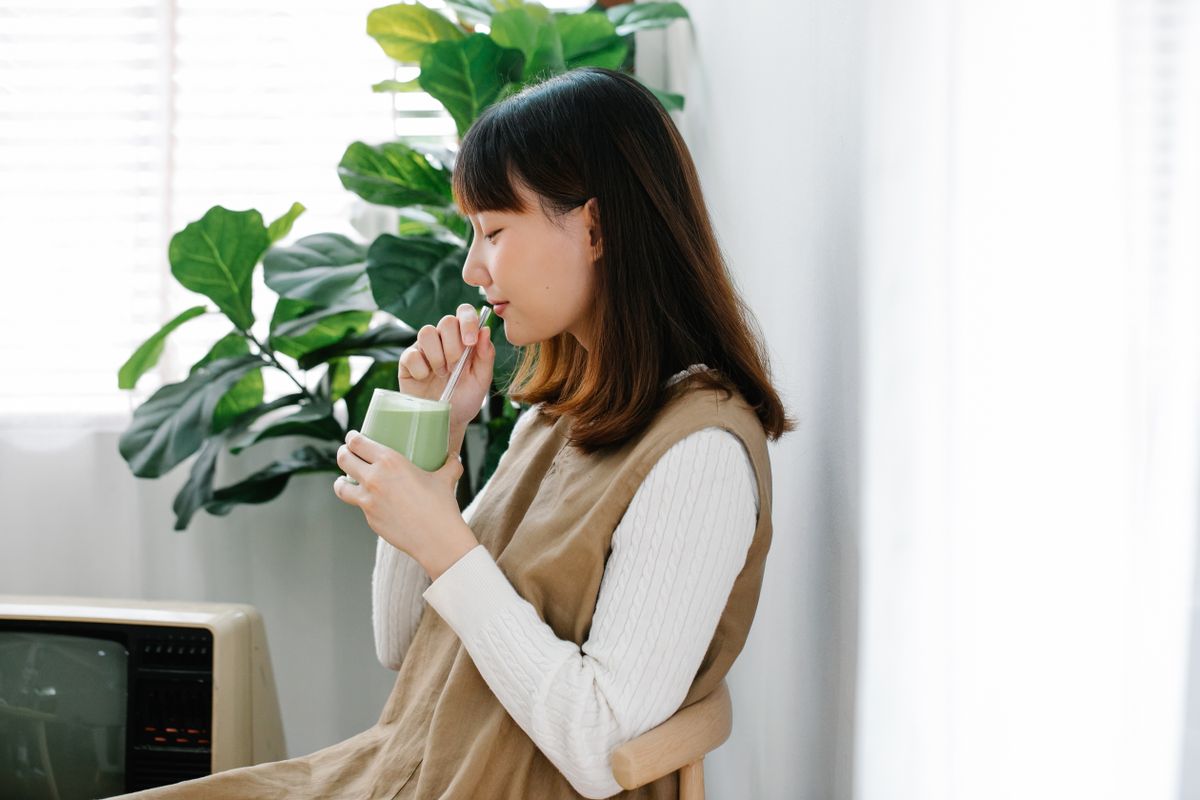
Matcha and coffee at a glance
Coffee is brewed from roasted coffee beans. Depending on the method, water passes through or steeps with ground coffee before the liquid is separated from the grounds. Matcha is made from shade-grown tea leaves that are processed and milled into a fine powder. Because the powder is whisked into the water rather than removed, the finished drink has a suspended, fuller texture.
- Choose coffee if you favor roasted aromas, acidity, and the speed of a familiar brewer.
- Choose matcha if you prefer vegetal, savory flavors and enjoy a short whisking ritual.
- Keep both if your ideal drink changes with the day, meal, or time available.
Flavor: roasted depth or vegetal balance
Coffee flavor changes dramatically with bean origin, roast level, freshness, grind, and brewing method. A cup can be chocolatey, nutty, fruity, smoky, or sharply acidic. Espresso concentrates these qualities; milk rounds them into the familiar profile of a cappuccino or latte.
Matcha can taste vegetal, savory, creamy, mildly bitter, and subtly sweet. Its balance depends on the tea, freshness, storage, water temperature, and ratio. Water that is too hot or an overly concentrated serving can make bitterness dominate. Cooler water and careful measuring usually produce a more balanced bowl.
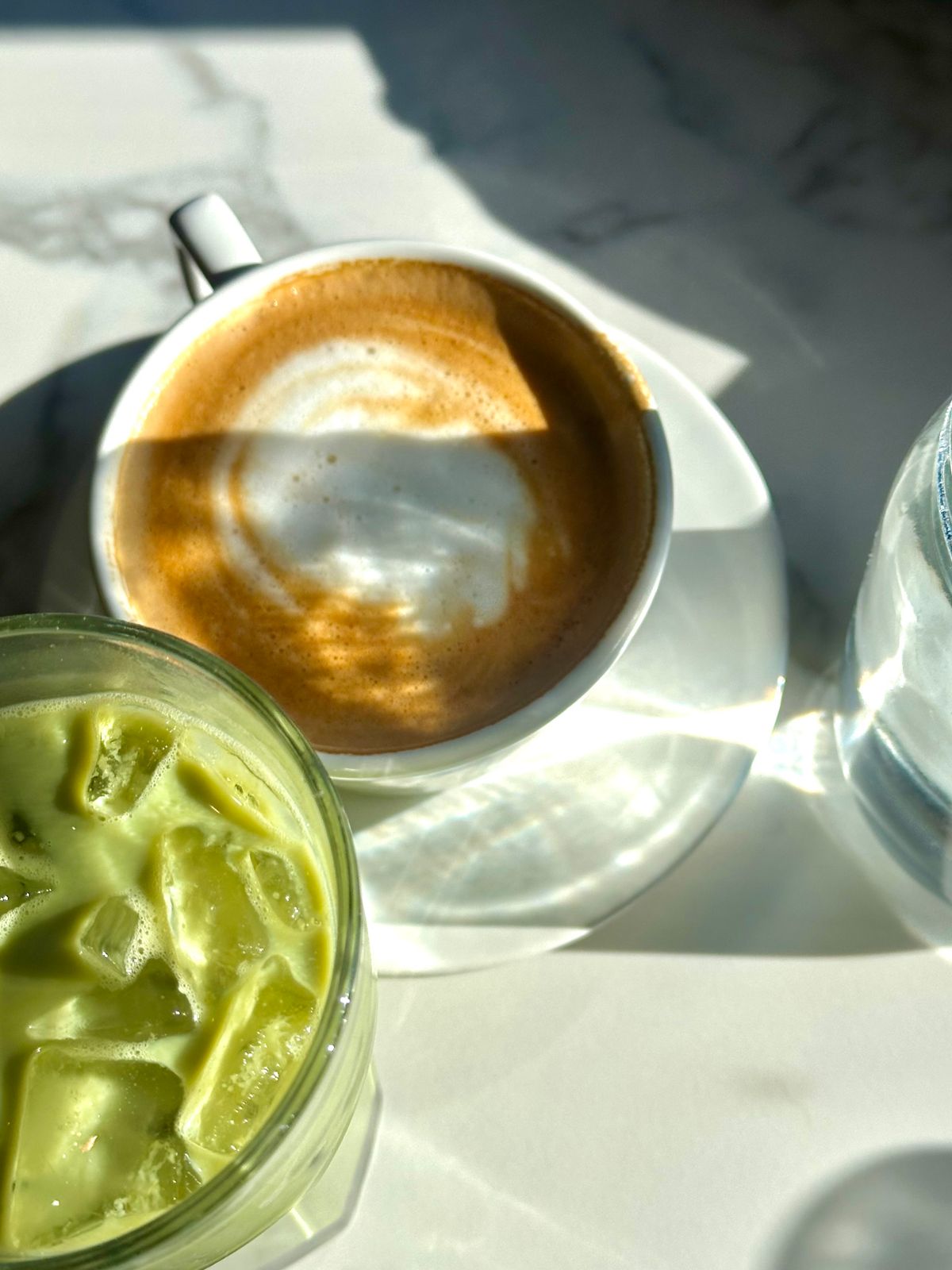
Caffeine: compare the serving, not just the ingredient
Both matcha and coffee naturally contain caffeine. The amount in a finished drink can vary considerably. Coffee changes with bean type, dose, cup size, and brewing method. Matcha changes with the amount of powder used. A large cafe coffee and a lightly prepared bowl of matcha are not an equal comparison.
Matcha also naturally contains L-theanine, an amino acid found in tea. People often describe the subjective experience of matcha and coffee differently, but individual responses vary. Sleep, food, hydration, medications, serving size, and personal sensitivity can all influence how caffeine feels.
If caffeine affects your sleep or makes you uncomfortable, reduce the serving, drink it earlier, or discuss your intake with a qualified healthcare professional. Neither drink should be framed as a treatment or guaranteed performance tool.
Preparation: brewer convenience or a hands-on ritual
How coffee fits a routine
Coffee can be almost automatic when a drip machine or capsule brewer is already part of the kitchen. Manual methods such as pour-over and French press require more attention, while espresso introduces equipment, dialing in, and cleanup. Convenience therefore depends on the setup you choose.
How matcha fits a routine
A basic bowl takes only a few steps: measure, sift, add warm water, and whisk. A bamboo whisk creates a fine suspension and foam, but a sealed jar or handheld frother can work for a casual drink. A coordinated matcha starter kit for beginners can simplify the setup if you are starting without tools.
- Sift about 2 grams of matcha into a dry bowl.
- Add 2 to 3 ounces of warm water below boiling.
- Whisk briskly until the surface has fine bubbles.
- Drink as prepared, or add milk and ice for a latte.
Texture and drinking style
Filtered coffee is usually clear and fluid, while French press coffee has more body and espresso is concentrated. Matcha has a fine suspended texture because the powder remains in the cup. Sifting and effective whisking matter: dry clumps can make the drink gritty and unevenly bitter.
For a straightforward bowl, a measured portion of first harvest signature matcha powder can be whisked with water and adjusted to taste. For an iced latte, prepare the smooth matcha base first, then pour it over milk and ice. A clear borosilicate matcha tumbler makes it easy to see whether the layers have combined evenly.
Versatility: black, with milk, or built into recipes
Coffee works as drip coffee, cold brew, espresso, or a milk-based cafe drink. Matcha works as a thin bowl, a richer preparation, a hot or iced latte, and an ingredient in foods. Both pair well with dairy or unsweetened plant-based milk, although each milk changes flavor and texture.
Sweetener is optional. If a matcha latte needs a large amount of syrup to taste balanced, first check water temperature, ratio, and clumps. If coffee tastes excessively bitter, review grind, brew time, water temperature, and roast rather than assuming sugar is the only solution.
Cost: compare the drink you actually make
Cost per serving depends on product quality, dose, equipment, and whether the drink is prepared at home or purchased from a cafe. A home coffee setup may range from a simple filter cone to an espresso machine. Matcha can be prepared with a bowl and whisk, with no electrical brewer required.
A useful comparison includes the full routine: powder or beans, milk, filters, equipment, maintenance, and how much product goes unused. Dynamic prices and inventory change, so evergreen guidance should focus on habits rather than quoting a temporary sale.
Which is better before work or exercise?
Choose based on comfort, timing, and preference. Some people want the concentrated flavor of espresso before a focused task. Others prefer a measured matcha served with breakfast. Neither beverage guarantees concentration, endurance, weight loss, or a particular health result.
If you are drinking either one before activity, pay attention to serving size and how your stomach responds. A milk-heavy or very sweet drink may feel different from a small straight serving. Personal experience is more useful than a universal rule.
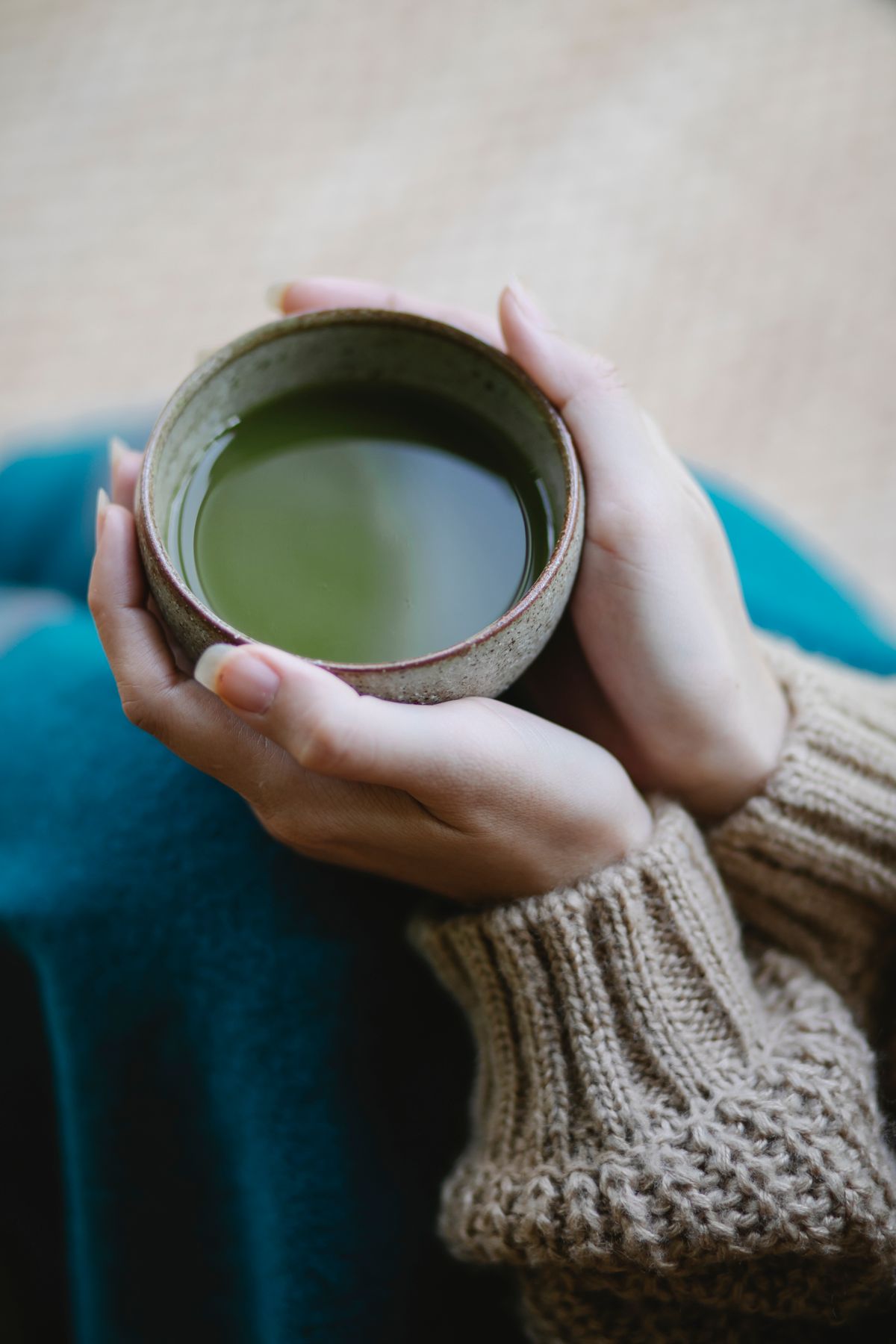
A simple decision guide
Matcha may fit you when:
- You enjoy vegetal, savory, or creamy tea flavors.
- You want a brief hands-on preparation ritual.
- You like one base that works as a bowl or latte.
- You prefer adjusting caffeine by changing the powder dose.
Coffee may fit you when:
- You prefer roasted aromas, acidity, or espresso intensity.
- You already have a brewing method that suits your schedule.
- You enjoy exploring roast levels and extraction methods.
- You want the familiar structure of black coffee or espresso drinks.
You do not need to make a permanent choice. Try each drink at a consistent serving size on separate mornings, without changing several other variables. Notice flavor, preparation time, comfort, and how the drink fits the rest of your day.
Tools for Your Morning Matcha Routine
A useful matcha setup stays compact. Start with a powder you enjoy, a way to measure it consistently, and a tool that disperses it evenly. Add specialized pieces only when they solve a real preparation problem.
- Signature matcha powder for bowls and latte bases
- Beginner matcha ritual starter kit
- Borosilicate tumbler for hot or iced matcha
Frequently asked questions
Does matcha have more caffeine than coffee?
It depends on the serving. Matcha caffeine changes with the powder dose, while coffee changes with beans, brewing method, dose, and cup size. Compare the drinks you actually prepare rather than relying on one universal number.
Is matcha a coffee replacement?
It can fill the same morning role, but the flavor and texture are different. Treat matcha as tea with its own character rather than expecting it to imitate coffee.
Can I drink matcha and coffee on the same day?
Many people do, but total caffeine from all sources matters. Adjust serving sizes according to your sensitivity and sleep schedule.
Is a matcha latte healthier than a coffee latte?
That cannot be answered from the drink name alone. Powder or coffee dose, milk, serving size, and added sweetener all change the final beverage. Review the actual ingredients and choose what fits your needs.
Which drink is easier to make at home?
Both can be simple. Coffee is especially quick with an automatic brewer; matcha needs no brewing time but benefits from sifting and whisking. The easier option is the method you can repeat comfortably.
Matcha and coffee are not rivals that require one winner. They are distinct drinks with different flavors, tools, and rhythms. Choose the cup that makes sense for the morning in front of you.