

Matcha Sifter Guide: How to Choose, Clean, and Store It
A matcha sifter is a small tool, but its shape and condition affect how comfortably it fits into your routine. A screen that sits securely over your bowl, a handle that feels steady, and mesh that is easy to clean are more useful than an impressive specification on its own.
This guide focuses on choosing and caring for the tool. If you already know that you want to sift your powder, the next questions are practical: will this sieve fit your bowl, can you clean it without damaging it, and where will it dry between servings?
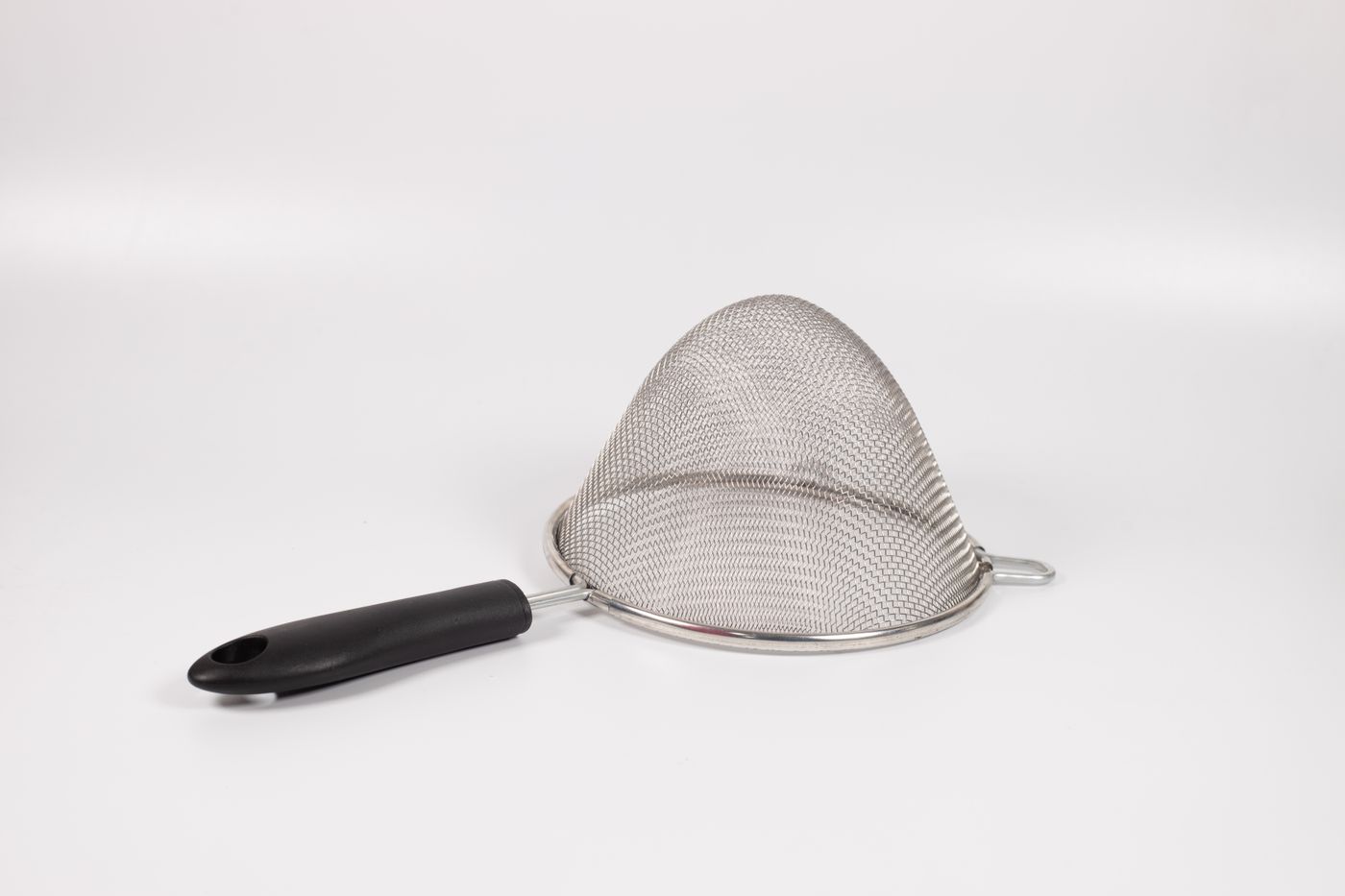
What should a matcha sifter do?
The basic job is to separate dry clusters before you add water. A useful sifter lets a small portion pass through in a controlled way without scattering powder across the counter. It does not need to transform the powder into a different ingredient.
Sifting and whisking remain separate steps. The screen works on dry powder; the whisk distributes the powder in liquid. A finer screen does not guarantee a better drink if the tool is awkward to hold, damp, or difficult to keep clean.
Start with bowl fit rather than appearance
Check the opening and support points
Measure the opening of the bowl or cup you normally use. Then compare it with the sifter's listed dimensions and support design. Some sieves rest on a rim using a handle and an opposing loop. Others need to be held above the bowl throughout use.
Neither design is automatically better. A resting design can free a hand, while a handheld design may work across several different bowls. Look for a setup that remains stable when you add powder and move a spoon lightly across the screen.
Leave space beneath the mesh
The basket should not sit so low that it touches the receiving surface. You want the powder to fall freely into the bowl. A deep basket over a shallow vessel may be less convenient than a smaller or shallower sieve.
When shopping online, use a bowl and spoon at home as references. This is more informative than assuming a product described as compact will fit every mug. If dimensions are missing, ask before buying rather than relying on a photograph's apparent scale.
Understand mesh claims without overreading them
Fine mesh is helpful for small powder clusters, but product listings do not always describe screens in the same way. Some provide a mesh count, while others simply describe the material and intended use. A number alone does not tell you everything about the screen's construction or how comfortable it will be to use.
For example, the 304 stainless steel matcha sifter is listed with a 40-mesh screen. Treat that as a specification for this particular tool, not a universal requirement for preparing matcha. Check the full description, dimensions, and care guidance together.
A very fine screen may require more patience when the powder is compacted. Do not compensate by forcing a spoon hard against it. The aim is gentle separation, not grinding or reshaping the basket.
Choose a handle you can control
Notice the handle's length, grip, and connection to the rim. A handle that feels comfortable in a dry hand should also be manageable when you are moving between the sink and preparation area. A loose joint or sharp edge is a reason to stop using the tool.
An all-metal tool and a wood-handled tool may call for different care. The stainless steel matcha sifter with wooden handle has specific instructions to avoid prolonged soaking of the handle. Choose the design whose cleaning routine you can follow consistently.
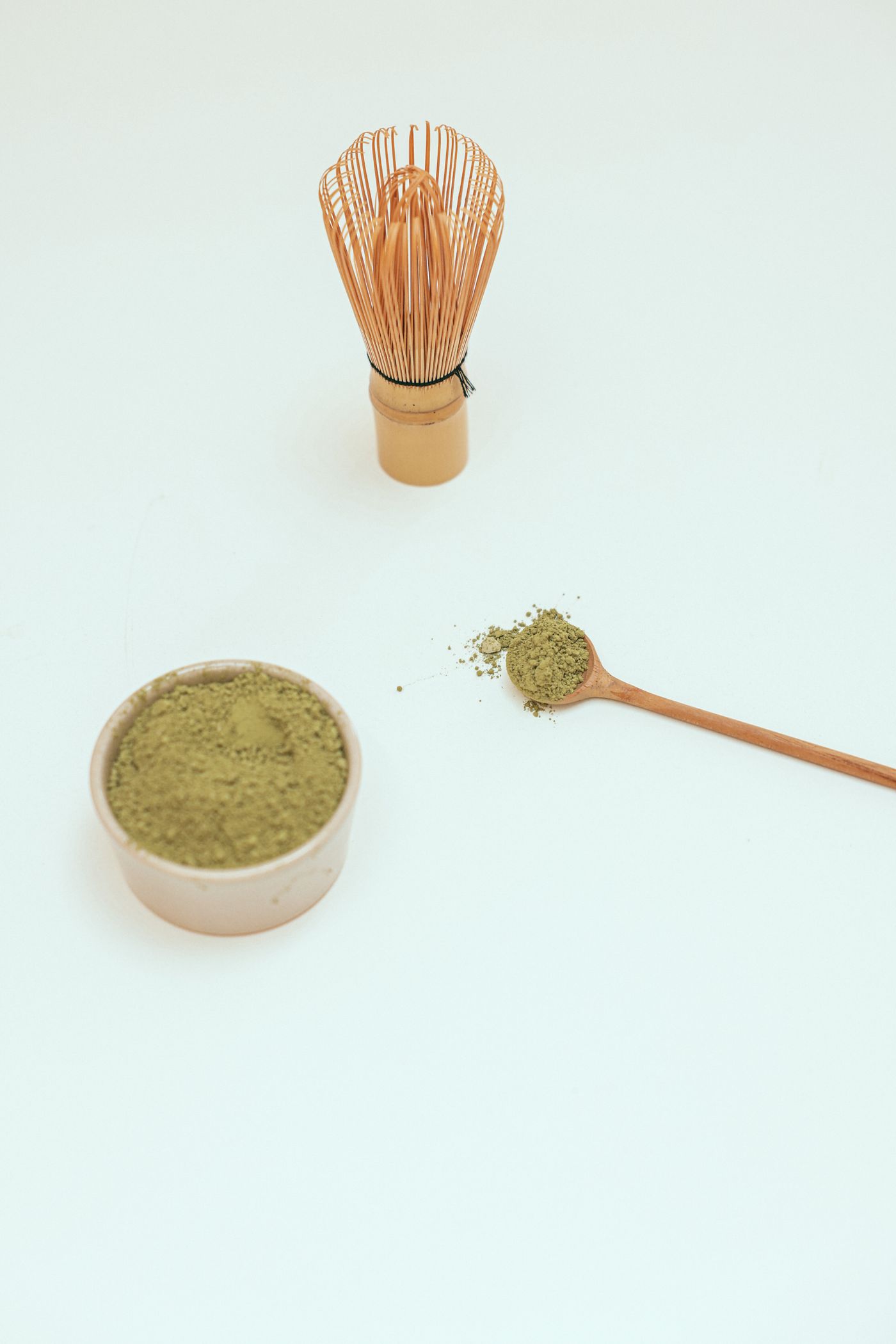
A gentle way to use the screen
- Confirm that the receiving bowl and mesh are clean and completely dry.
- Position the sieve securely above the bowl, with room for powder to fall underneath.
- Add your intended serving in a small layer rather than filling the basket.
- Use light taps or a gentle spoon motion to move the powder through.
- Remove the sieve before adding water, then prepare the drink as usual.
A smooth scoop such as the stainless steel matcha spoon can transfer powder into the basket. Its product page does not specify a fixed gram capacity, so do not assume one scoop always equals a precise weight. Use a suitable scale when a recipe needs grams.
If powder will not pass easily, stop and check for dampness or a blocked screen. Strong pressure can make cleaning harder and may distort delicate mesh. More force is rarely the most useful first adjustment.
How to clean a matcha sifter
Follow the instructions for the exact product, especially when it combines metal with wood or another handle material. Clean after use so that residue does not build up around the mesh and rim.
- Remove loose powder gently over a suitable surface.
- Wash as directed by the maker, paying attention to both sides of the screen and the folded rim.
- If residue remains, use a soft cleaning tool compatible with the mesh. Avoid sharp objects and aggressive scraping.
- Rinse thoroughly and inspect the screen against the light.
- Allow the tool to dry completely before storing it or putting powder through it again.
Do not assume dishwasher compatibility from the words stainless steel. The handle, joints, finish, and manufacturer's instructions all matter. For a wood-handled tool, avoid leaving it submerged while you wash the rest of the dishes.
Give the sifter a clear drying and storage place
A clean sieve is not ready for dry powder while water remains in the mesh or around the rim. Let air reach both sides. A hanging loop may make this easier, provided the tool is secure and not brushing against dirty surfaces.
Store it away from splashes and steam once dry. Avoid pushing it under heavy utensils in a crowded drawer, where the basket can become crushed or the mesh can snag. A small open compartment or protected hook can be enough.
If you prepare another drink immediately after washing, use a second dry sifter or wait until the first one has dried. Wiping the handle alone does not establish that the screen is dry.
When should you replace it?
Inspect for torn or lifted wires, sharp edges, a loose handle, and a basket that no longer sits securely. Persistent residue that you cannot remove with appropriate cleaning is also a reason to reconsider continued use.
There is no useful universal replacement calendar for every sifter. Condition and care matter more than a guessed number of months. Check the tool when you clean it, and replace it when its structure or cleanability is no longer satisfactory.
Tools for your sifting routine
Begin with a sieve that fits your bowl and a dry spoon that moves powder comfortably. The two sifters and stainless steel spoon linked above offer different handle and screen details to compare. Read their individual care instructions before choosing.
You do not need multiple sifters simply because several designs exist. A single well-fitting tool that you can clean, dry, and store comfortably is a practical starting point.
Frequently asked questions
Can a kitchen strainer work as a matcha sifter?
Yes, if its mesh is suitable for the powder, it is food-safe, and it is clean, dry, and comfortable to use over your bowl. A large colander with wide holes serves a different purpose.
Does every matcha sifter need the same mesh count?
No single specification suits every design or routine. Compare intended use, screen construction, bowl fit, and cleaning requirements rather than choosing by a number alone.
Can I use a wet sieve if I tap it dry first?
Wait until the mesh and rim are fully dry. Remaining droplets can catch the powder and make it harder to pass through.
Should I press firmly with a metal spoon?
Use a gentle motion and avoid grinding against the screen. If the powder resists, inspect for dampness or blockage before increasing pressure.
How often should I buy a new sifter?
Inspect its condition instead of following an arbitrary schedule. Torn mesh, sharp wires, loose parts, or residue that cannot be cleaned appropriately are reasons to replace it.
The practical checklist
Choose for bowl fit, manageable mesh, comfortable grip, and realistic care. Keep the screen dry before powder touches it, wash it as directed, and protect it in storage. Those small details make a sifter easier to use every day.