

Matcha for Baking: Choosing Powder and Mixing It Well
Matcha can bring a distinctive tea flavor to cakes, cookies, and glazes, but a good result depends on more than adding something green. The powder, the mixing method, and the balance of the original recipe all matter. Start with a reliable recipe, use plain matcha, and change one variable at a time.
This guide explains how to choose matcha for baking and incorporate it without unnecessary lumps or last-minute adjustments. It is a technique guide, not a universal conversion formula: different batters and doughs need different amounts.
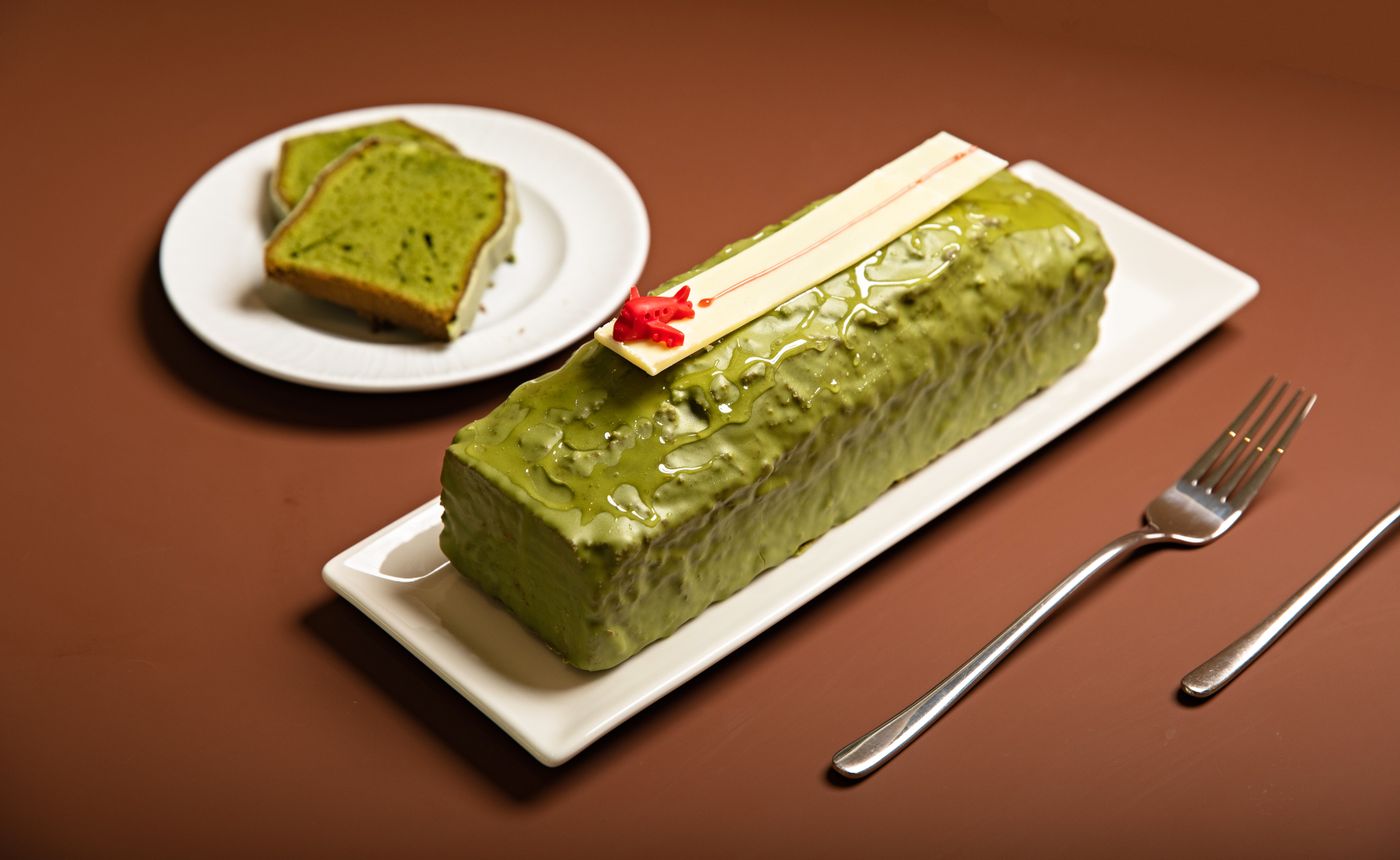
Choose plain powder before choosing a grade
Read the ingredient list first. Plain matcha is different from a sweetened latte mix containing sugar, milk powder, or other ingredients. A mix can change sweetness and texture, so it is not an automatic substitute for the matcha called for in a baking recipe. Ground loose-leaf green tea is not an equivalent ingredient either.
For a starting point, look at an unsweetened powder such as Umacha's Signature Ceremonial Matcha. Its product page describes finely ground matcha without added sugar or artificial flavors. That establishes the type of ingredient, not a promise that it has been tested in every cake or cookie.
Can you bake with ceremonial matcha?
Yes, but the label alone does not determine whether a powder suits your recipe. Consider the flavor you want, how much tea the recipe uses, and whether other ingredients will obscure its subtler qualities. A powder you enjoy drinking can be a useful reference point, although baking may not showcase it in the same way.
Do not assume that a higher price guarantees a better baked result or that a powder labeled culinary must be unsuitable for drinking. Compare actual ingredients and preparation guidance. If you prefer an organic-labeled option, Umacha's Organic Ceremonial Matcha is another plain powder to consider; this guide does not make additional certification or origin claims.
Begin with a recipe written for matcha
A tested matcha recipe gives you a sensible starting amount and an appropriate mixing sequence. Adding a large spoonful to a favorite vanilla cake is less predictable: you have changed the dry ingredients without necessarily accounting for the recipe's liquid, sweetness, or structure.
Matcha is not a one-for-one replacement for flour or cocoa. Those ingredients perform different jobs. Keep the original recipe intact on your first attempt, including its pan size and oven setting. Once you have a baseline, you can decide whether the tea flavor needs to be stronger, softer, or paired differently.
Weigh the powder
Use the gram quantity when a recipe provides one. A heaped spoonful varies with the spoon and how firmly the powder is packed. A small digital scale makes your next batch easier to repeat. If the recipe only supplies a volume measure, use the specified measuring spoon and level it consistently rather than guessing with a serving spoon.
A dedicated tea scoop can help transfer powder neatly, but it is not automatically a calibrated baking measure. Keep a note of the recipe, powder used, and any adjustment you make. Those details are more useful than judging a batch only by its shade of green.
Deal with clumps before the batter becomes delicate
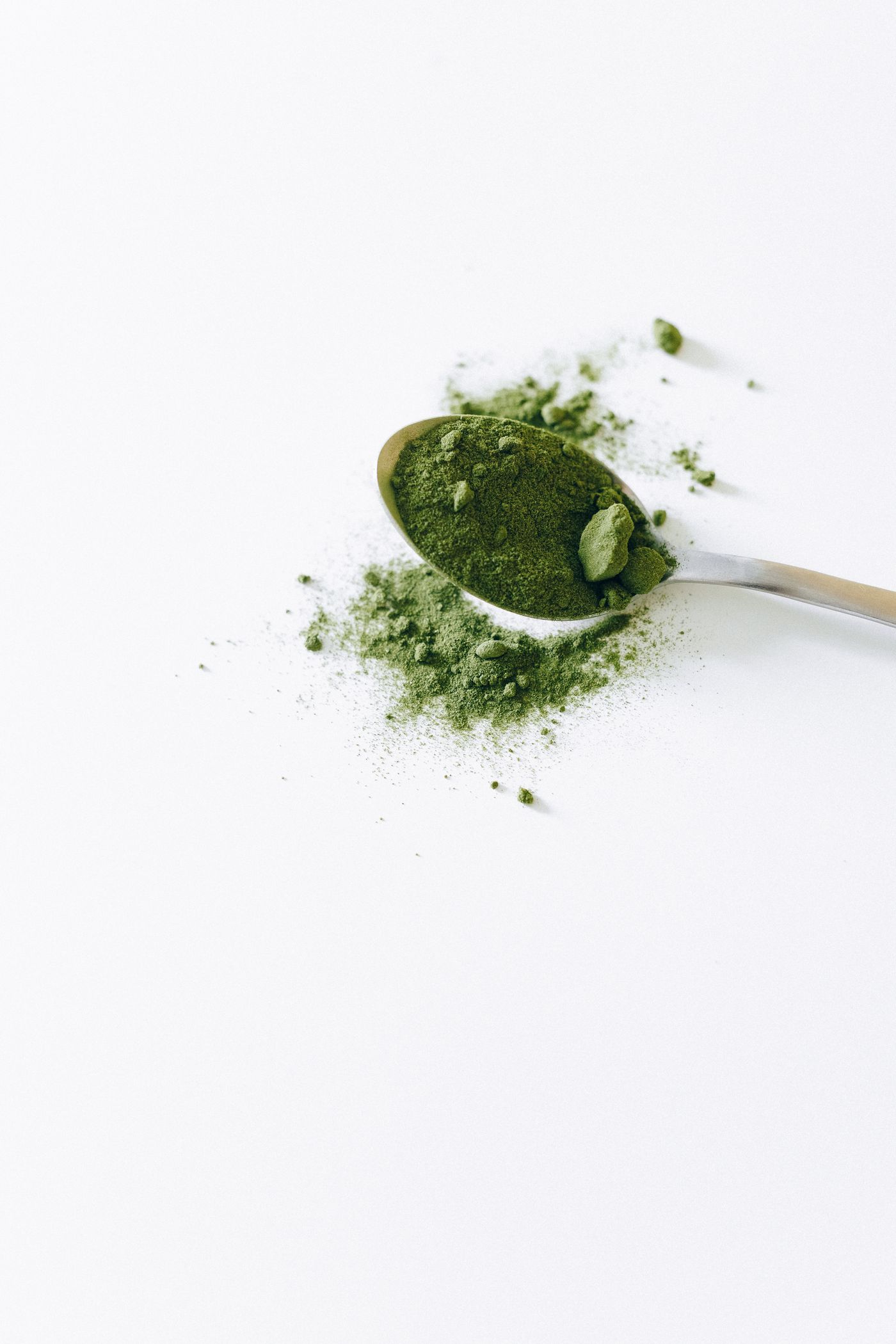
Inspect the powder before adding it. Small clumps can leave concentrated pockets of tea if they are not dispersed. Sifting is a practical way to break them up, but follow the recipe about what to sift together and when to add the mixture.
Some recipes combine matcha with dry ingredients; others incorporate it earlier with sugar or another component. For example, King Arthur Baking's glazed matcha cookie method sifts matcha with confectioners' sugar before subsequent ingredients are added. That is a useful reminder that there is no single mixing order for every bake.
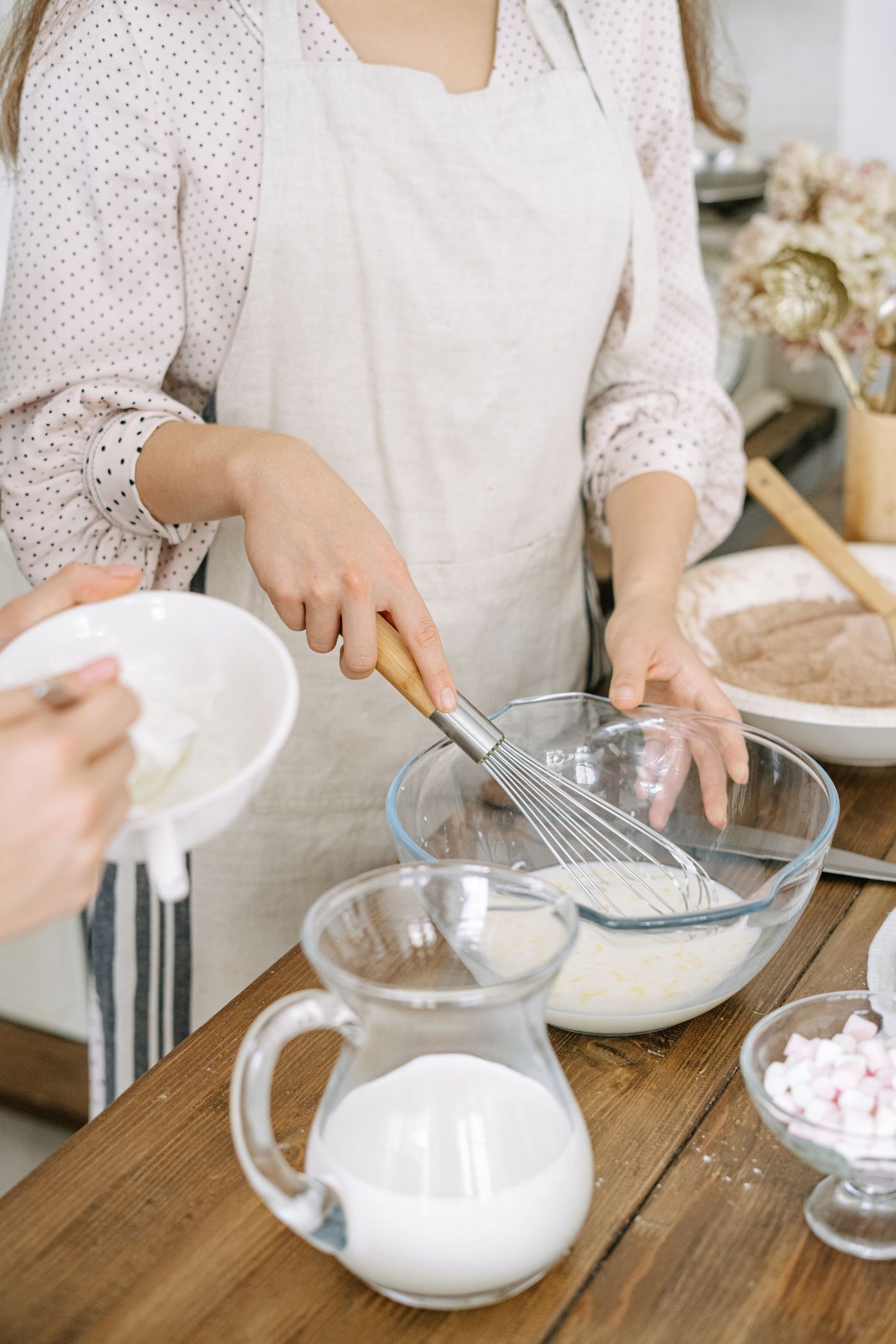
Do you need to dissolve matcha first?
Not always. Matcha does not need to be brewed like loose-leaf tea before every baking application. Finely milled powder can be incorporated directly when the recipe calls for it, as discussed in King Arthur Baking's guide to baking with tea. A separately prepared paste is useful only when it fits the recipe's method.
If a recipe specifies a paste, measure its liquid from the amount instructed. Do not add an unmeasured splash of water simply to make mixing easier. That extra liquid can change the batter. Conversely, avoid forcing dry powder into a finished delicate mixture when the recipe intended it to be incorporated earlier.
Balance flavor without chasing a brighter color
More powder is not always the best fix for a subtle result. Too much can make the tea character harsh or grassy. First consider the other flavors: an intense chocolate component or strongly flavored topping may dominate a comparatively delicate tea note.
For a first experiment, a relatively simple base can make the result easier to evaluate. Vanilla, a restrained glaze, or a plain butter-based dough gives you fewer competing variables. Taste the finished bake after the cooling stage specified by the recipe before deciding what to change next time.
Color is not a reliable stand-alone test of flavor or quality. Ingredients, surface browning, lighting, and photography all affect how a bake looks. Do not lower the oven temperature or shorten the bake just to preserve a greener appearance. Follow the recipe's doneness guidance; appearance alone cannot confirm that the center is baked.
Choose where the tea flavor belongs
You do not have to put matcha into every layer. It might be the main flavor in the crumb, a smaller accent in a glaze, or a finishing dusting added according to a suitable recipe. Keeping one tea-forward element makes it easier to assess the balance.
When making a glaze, break up powder clumps before combining ingredients and add liquid gradually as directed. A dry finishing dusting can taste more concentrated than the same powder distributed through a cake. Use a light hand and avoid treating a heavy coating as a shortcut to a stronger, better flavor.
A simple first-batch checklist
- Choose a recipe developed for matcha and read it through before starting.
- Check that your powder is plain rather than a sweetened drink blend.
- Weigh ingredients where gram measurements are provided.
- Prepare the powder at the stage specified, dealing with clumps before final mixing.
- Keep the stated liquid quantity, pan size, and baking temperature unchanged.
- Evaluate the cooled result and record just one proposed adjustment for the next batch.
If the result is uneven, investigate mixing and clumps before increasing the quantity of tea. If it is too intense, return to the recipe's original amount before changing the sugar as well. Small, documented changes make it easier to understand what actually improved the bake.
Tools for Your Matcha Baking Routine
You do not need a complete tea ceremony setup to bake with matcha. A reliable scale, recipe-appropriate measuring tools, and a fine sieve are useful kitchen basics. A stainless steel matcha spoon for transferring powder can keep your workspace tidy; use a scale or the recipe's measuring spoon for the actual quantity.
Choose powder on ingredient suitability and your own flavor preference, then let the recipe guide the technique. Start with a modest batch before committing a favorite powder to a large celebration cake.
Frequently Asked Questions
Can I use a matcha latte mix in a cake?
Only when the recipe accounts for that particular mix. Added sugar and other ingredients make it different from plain matcha. Check the ingredient list rather than relying on the green color of the package.
Should I replace some flour with matcha?
Use the quantities in a recipe written for matcha. There is no universal replacement ratio that works for every cake, cookie, and bread.
Why are there dark green spots in my batter?
They may be pockets of incompletely dispersed powder. Check for clumps and follow the recipe's incorporation method. Do not continue aggressively mixing a delicate finished batter just to correct an earlier preparation problem.
Can ceremonial matcha go in the oven?
It can be used in baking. Whether it is your preferred choice depends on the recipe, flavor, and budget, not the grade wording alone.
Why is my cake less green than the photograph?
Recipe ingredients, browning, lighting, and editing can all change the appearance. Follow doneness instructions and judge the flavor separately; adding more powder solely for color may make the result less balanced.