

How to Sweeten Matcha: Honey, Sugar, and Syrup
The easiest way to sweeten matcha evenly is to choose a sweetener that suits the drink's temperature, mix it thoroughly, and taste before adding more. Sugar, honey, and syrup can all work, but they contribute different flavors and behave differently in cold liquid.
There is no single best choice for every cup. A lightly sweetened bowl of matcha with water calls for a different approach from an iced latte made with already sweetened milk. This guide helps you choose by flavor and mixing convenience rather than treating sweetness as a fixed recipe requirement.
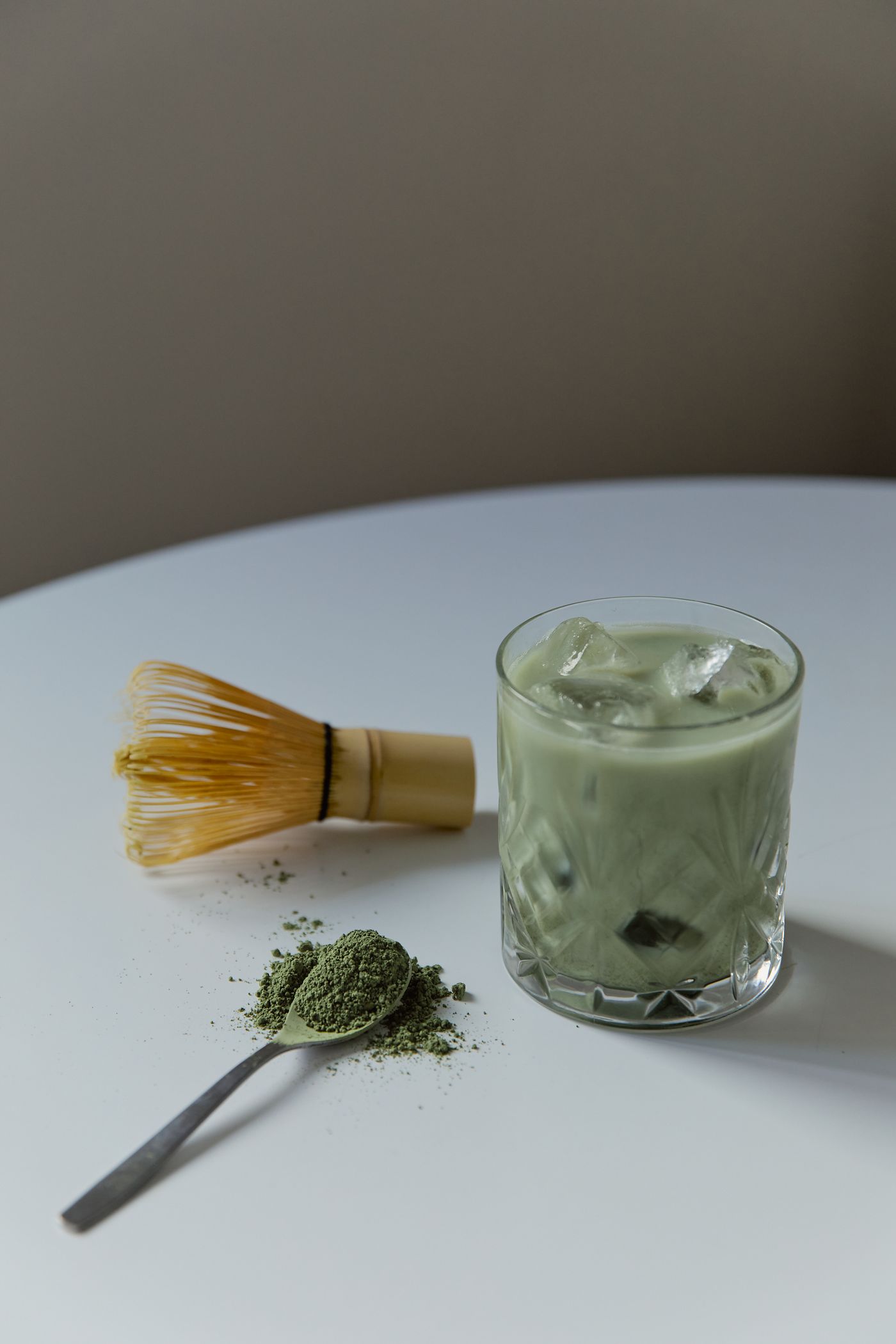
Taste the drink before choosing a sweetener
Make a small serving with the matcha and milk you normally use. Taste it without added sweetener first. Notice whether you want a little more sweetness, a particular flavor such as honey or maple, or simply a less concentrated drink.
Those are different adjustments. Sweetener changes the balance, but it cannot remove dry powder clumps or make a drink less concentrated in the same way as adding liquid. If the texture or strength is the problem, correct that before deciding how much sweetness you enjoy.
For a repeatable starting point, keep the matcha serving and liquid volume consistent while testing sweeteners. Change one choice at a time so you can tell what made the difference.
White sugar: a relatively neutral starting point
White granulated sugar is useful when you want sweetness with little additional flavor. Stir it into a small amount of warm water until the grains have dissolved, then combine it with your prepared matcha. This is particularly helpful before building an iced drink.
Dropping sugar into a finished glass full of ice can leave grains at the bottom. More stirring may eventually help, but dissolving it earlier gives you better control and avoids repeatedly adding more because the first spoonful has not mixed evenly.
Use an actual measuring spoon if you want to record a volume. An everyday tea scoop is useful for transferring ingredients, but its shape does not necessarily correspond to a standard teaspoon.
Honey: choose for its flavor
Honey adds its own aroma as well as sweetness. A mild honey lets more of the tea remain noticeable, while a strongly flavored honey may become a major part of the drink. Neither outcome is wrong; decide whether the honey is meant to support the matcha or share the spotlight.
Stir a small amount into a little warm water before adding it to an iced latte. Thick honey can collect at the base of a cold glass, leaving the first sip less sweet than the last. Mixing it first helps distribute the flavor.
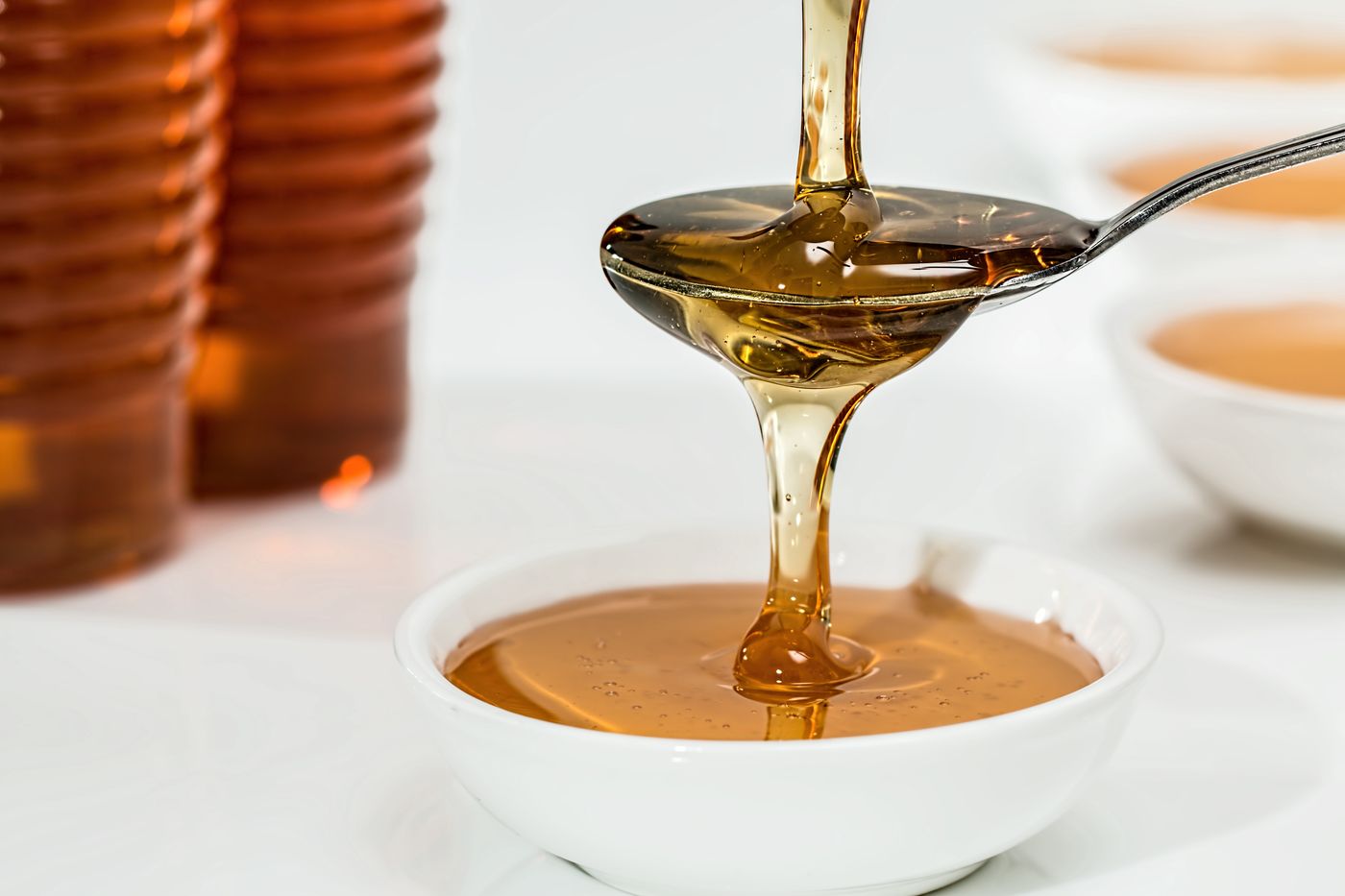
Honey is not a direct flavor substitute for plain sugar. When comparing the two, begin with small quantities and judge the finished cup rather than assuming equal spoonfuls will taste identical. This is a culinary choice, not a claim that one sweetener offers a health advantage.
Simple syrup: convenient for cold drinks
A plain sugar syrup is convenient because the sugar is already dissolved. It can be stirred into a cold drink more readily than dry granules. For repeatability, use the same syrup and measure the amount you add.
Different syrups may have different concentrations. A pump from one bottle is not automatically equivalent to a pump from another, and a homemade mixture may differ from a commercial one. Read the label and start modestly when changing products.
If you make syrup at home, use a clean container and follow a reliable recipe's preparation and storage guidance. This guide does not assign one storage life to every syrup, since ingredients and handling vary.
Brown sugar, maple, and flavored syrups
Brown sugar
Brown sugar brings a molasses-like character that can suit a fuller latte. Dissolve it before adding cold milk or ice. Start with a small amount if you want the tea to remain the main flavor.
Maple syrup
Maple syrup adds a recognizable maple note. It may pair pleasantly with the flavor of your milk, but it also changes the character of the drink more than a plain syrup does. Taste the complete combination before increasing it.
Vanilla and other flavored syrups
Flavored syrups combine sweetening and flavoring in one step. If your milk already contains vanilla or sugar, the combined effect can be stronger than expected. Read both labels and adjust the syrup rather than following a cafe pump count automatically.
A practical mixing order
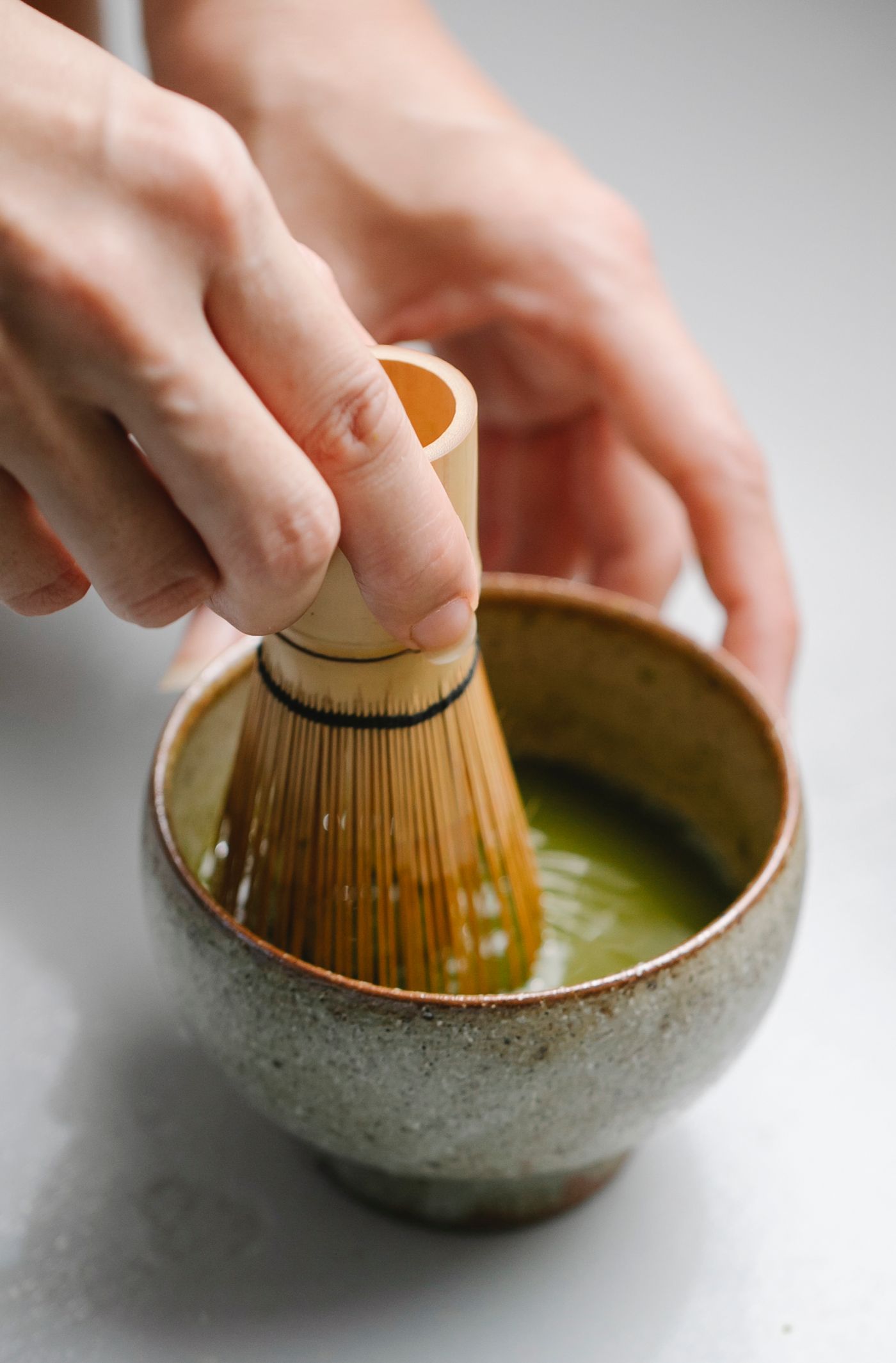
- Prepare the matcha. Sift and mix your usual serving with warm water until there are no visible dry pockets.
- Mix the sweetener. Dissolve granulated sugar or loosen thick honey in a little warm liquid. A prepared syrup can be measured directly.
- Combine and stir. Use a spoon to distribute the sweetener rather than relying on a decorative layered pour.
- Finish the drink. Add your chosen milk or remaining water, and add ice if making a cold version.
- Taste again. Add a small increment only after the full drink is evenly mixed.
How much sweetener should you add?
Use a small measured amount, stir completely, and taste. For a personal comparison, try a quarter-teaspoon increment of your chosen sweetener in a small drink. That is a tasting method, not a universal serving recommendation.
Record the matcha amount, milk, drink size, and sweetener together. A note that says only "one spoon" is difficult to reproduce if the spoon or syrup changes. Stop when the cup tastes balanced to you; it does not need to match a cafe's sweetness.
Tools for your sweetened matcha routine
Start with a powder whose flavor you enjoy before sweetening. Signature Ceremonial Matcha Powder and Organic Ceremonial Matcha Powder are two Umacha Co. options whose preparation instructions include adding sweetener if desired. Choose by your preferences and check the current packaging information.
A stainless steel matcha spoon is useful for transferring powder. Keep that scoop dry, and use a separate clean spoon for sticky ingredients. For standardized teaspoon quantities, use a marked measuring spoon rather than assuming a tea scoop has a fixed capacity.
Frequently asked questions
Can I sweeten matcha served with water?
Yes. Add a small amount, mix well, and taste. A neutral sweetener leaves the tea's flavor easier to assess, while honey or maple adds a separate flavor.
Why is the bottom of my iced latte much sweeter?
The sweetener may not have mixed evenly. Dissolve sugar or loosen honey before adding ice, then stir the complete drink rather than leaving dense sweetener at the base.
Is honey always better than sugar for matcha?
No. Honey adds aroma and thickness, while white sugar is more neutral in flavor. Choose for taste and mixing convenience; this guide does not rank sweeteners by health effects.
Should I sweeten a latte made with flavored milk?
Taste first. Flavored or sweetened milk may already provide enough sweetness, especially when paired with another flavored ingredient.
Can I leave matcha unsweetened?
Absolutely. Sweetener is optional. Adjust the tea's strength and preparation to your preferences, then add sweetness only if you enjoy the result.
Keep the comparison simple
Choose a flavor, mix it evenly, and taste the finished drink. Sugar offers a relatively neutral baseline, honey adds aroma, and syrup is convenient for cold cups. A small, repeatable adjustment is more useful than adding several sweeteners at once.