

Ceremonial Grade Matcha: What the Label Really Means
Ceremonial grade matcha sounds like a precise quality standard. In practice, it is a market term commonly used for matcha intended to be enjoyed with water, rather than a single regulated grade applied by one universal authority. That does not make the phrase useless, but it does mean the label should begin your evaluation instead of ending it.
A thoughtful buyer looks beyond the front of the package. Ingredient transparency, intended use, freshness information, flavor description, preparation guidance, and the experience in the cup all provide more practical evidence. This guide explains how to read ceremonial language calmly, compare options fairly, and choose a matcha that fits the way you actually drink it.
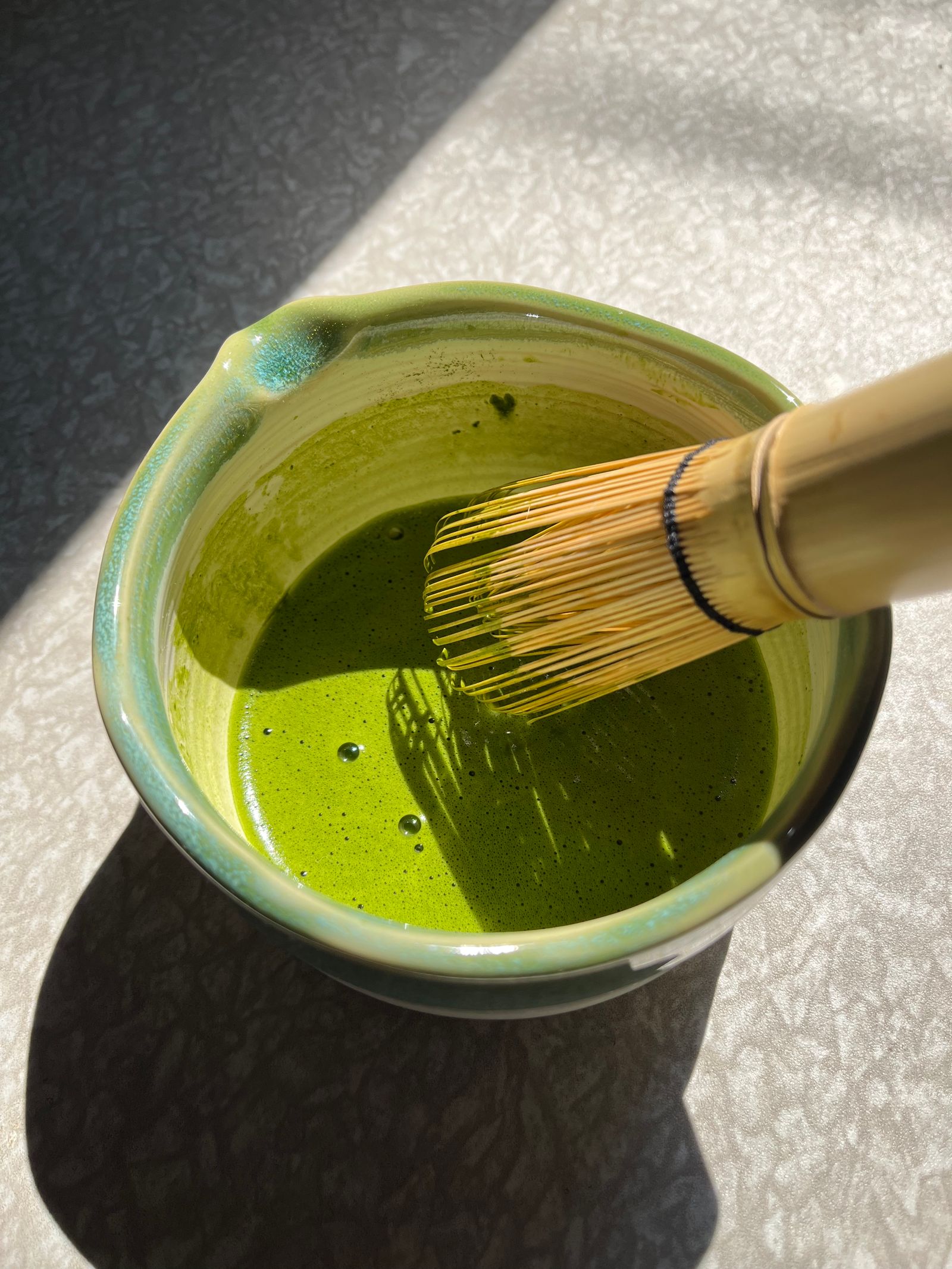
What does ceremonial grade matcha mean?
The phrase usually signals that a seller considers the matcha suitable for traditional-style preparation with water. Shoppers may reasonably expect a powder that disperses smoothly and offers enough balance to drink without milk or a large amount of sweetener. However, there is no single worldwide ceremonial-grade rule that forces every producer or retailer to use the term in exactly the same way.
For that reason, two products carrying the same phrase can taste quite different. One may be soft and savory, another fresh and vegetal, and another more brisk. The label does not establish a guaranteed cultivar, harvest date, region, shading period, milling method, color, or flavor profile. Those details need separate evidence.
Ceremonial grade vs culinary grade
The most useful distinction is intended use. Matcha positioned for drinking with water generally needs a pleasing balance on its own. Matcha intended for cooking must remain noticeable after it meets milk, sugar, flour, fat, fruit, or other strong ingredients. Neither use is inherently superior; each asks something different from the tea.
- For water: Look for a flavor description you enjoy, clear preparation guidance, and a texture that feels smooth at the recommended ratio.
- For a lightly sweetened latte: Choose enough intensity to remain present after milk is added, without paying only for subtle notes that the recipe may hide.
- For baking or desserts: A more robust matcha can be practical because the tea must compete with other ingredients.
- For several uses: Test the same powder with water first, then in your usual recipe before deciding whether it is versatile for you.
A product described as ceremonial may still work in a latte, and a culinary product is not automatically poor tea. The better question is whether its flavor, format, and cost make sense for your routine.
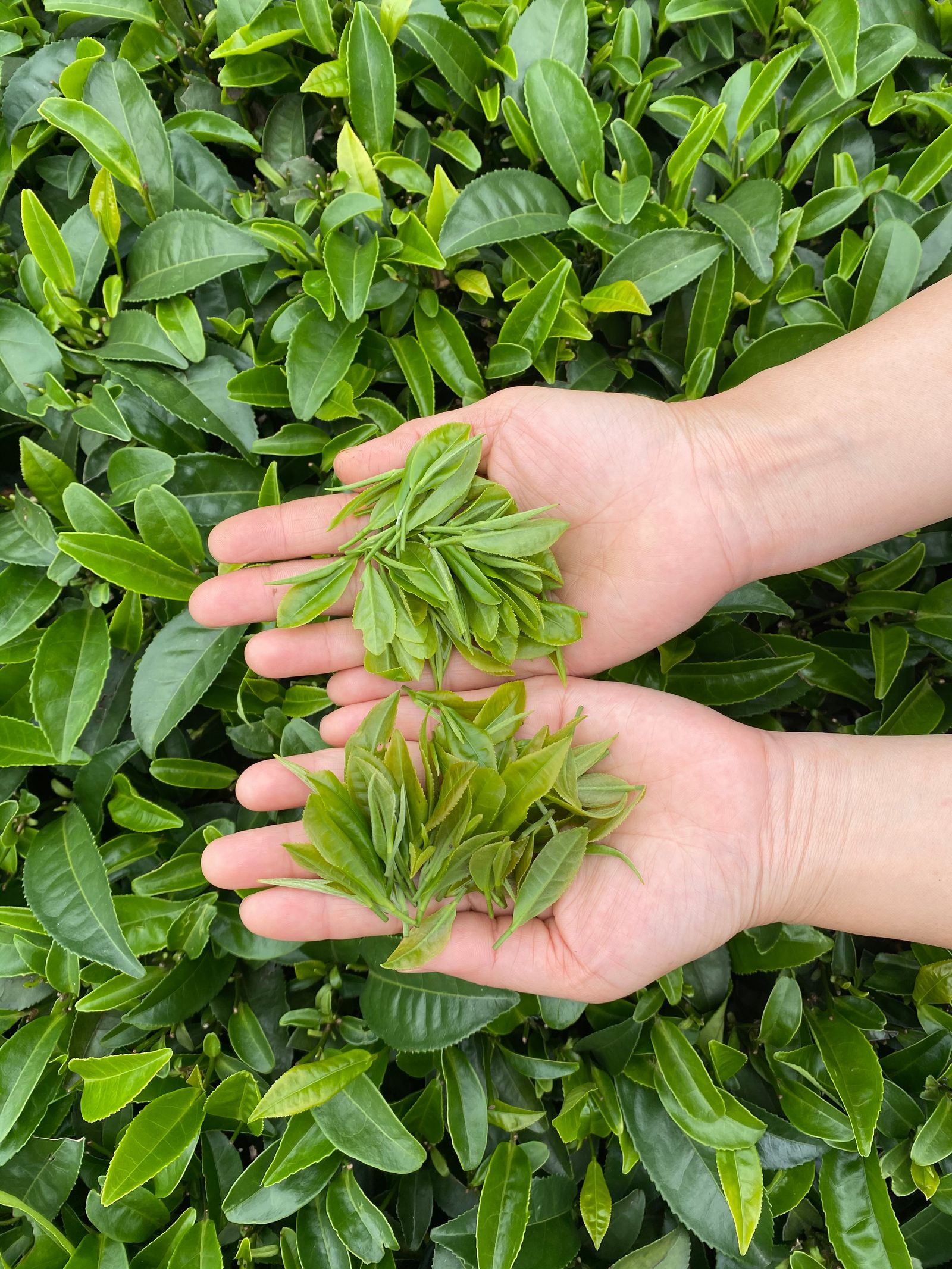
What the label does not prove
It does not prove a particular origin
A ceremonial claim alone does not identify a country, prefecture, farm, or producer. If origin matters to you, look for a direct statement from the seller and check the physical package when it arrives. Do not infer origin from Japanese-inspired design, a bamboo whisk, or the color green.
It does not prove first harvest
First harvest, first flush, and ichibancha are separate harvest descriptions. A seller should state those details independently. Ceremonial positioning may appear alongside a harvest claim, but one phrase does not automatically confirm the other.
It does not prove organic certification
Organic is a regulated production and labeling claim in the United States. Ceremonial is not a substitute for certification. If organic production is important to you, verify the exact organic wording, certifier information, ingredient statement, and package rather than relying on ceremonial language.
It does not guarantee health outcomes
No grade label can promise weight loss, disease prevention, improved concentration, or a predictable energy response. Matcha contains caffeine, and individual sensitivity varies. Treat the product as tea, follow serving guidance, and seek professional advice if caffeine is a personal health concern.
How to choose ceremonial matcha
1. Read the ingredient list
For plain matcha, the ingredient list should be short and clear. A sweetened latte mix, flavored powder, or product containing milk powder is a different format. It may be convenient, but it should not be evaluated as though it were pure matcha.
2. Match the product to your drink
If you mainly prepare matcha with water, prioritize balance, aroma, and finish. If you usually add milk, look for enough structure to stay recognizable. Umacha Co.'s current Signature Ceremonial Matcha Powder is listed for traditional preparation as well as lattes and iced drinks, while the Organic Ceremonial Matcha Powder is a separately listed option for shoppers who also care about an organic claim. Recheck the live product page and package for current details.
3. Look for useful specifics
Concrete information is more helpful than a long chain of adjectives. Preparation ratio, water guidance, ingredient details, package size, storage instructions, and a restrained flavor description help you predict how a product may fit your routine. Origin, harvest, cultivar, certification, or testing claims should be stated explicitly if they are part of the buying decision.
4. Choose a format you can keep fresh
A smaller tin works well for regular home use when you want to adjust the dose. Individually sealed portions can be useful for travel, work, or consistent measuring. Umacha Co.'s Signature matcha sticks offer a portable format, but the same preparation principles still apply after a packet is opened.
5. Be cautious with color as proof
Color can provide context, but lighting, photography, screen settings, processing, storage, and the tea itself all affect appearance. A vivid product photo is not proof of flavor, freshness, origin, harvest, or grade. Evaluate aroma, texture, taste, and finish together after opening.
How to taste matcha fairly
Use a repeatable method before comparing two powders. Follow the product's serving guidance first, then change only one variable at a time.
- Use a clean, completely dry bowl and measuring tool.
- Sift the measured powder to break up soft clumps.
- Add a modest amount of warm water rather than water at a full boil.
- Whisk briskly with a light back-and-forth motion until the suspension looks even.
- Taste before adding milk or sweetener, noting aroma, texture, bitterness, savory character, sweetness, and finish.
- If the cup tastes harsh, adjust the water temperature or dilution slightly on the next attempt.
Consistency matters more than chasing a perfect universal recipe. The goal is to understand what the tea contributes under conditions you can repeat.

Common buying mistakes
- Buying the label instead of the use: A delicate water-focused powder may not be the best value for a heavily flavored latte.
- Assuming expensive means ideal: Price can reflect many factors and does not guarantee that you will prefer the taste.
- Ignoring package size: A larger package is not economical if it remains open far beyond your normal drinking pace.
- Changing every preparation variable: It is hard to compare teas when dose, water, temperature, milk, and sweetener all change together.
- Treating ceremonial as a certification: Verify organic, origin, harvest, and other claims independently.
Tools for your ceremonial matcha routine
You do not need an elaborate collection. A wide bowl, a way to measure, a dry sifter, and a whisk cover the core preparation steps. The Umacha Co. fine-mesh matcha sifter is designed to break up dry clumps before water is added. For a coordinated setup, the Matcha Starter Kit for Beginners groups several preparation tools in one option. Choose only the pieces that solve a real problem in your routine.
Frequently asked questions
Is ceremonial grade matcha officially regulated?
There is no single universal ceremonial-grade standard used by every producer and retailer. The phrase commonly describes matcha positioned for drinking with water, so evaluate the supporting product details and the cup itself.
Can I use ceremonial matcha for lattes?
Yes. Many ceremonial-positioned matchas work well in lattes. Consider whether the flavor remains clear after milk and whether the price makes sense for that use.
Is ceremonial grade the same as first harvest?
No. First harvest describes harvest timing, while ceremonial grade is a market description of intended quality or use. A product may state both, but one does not prove the other.
Is organic ceremonial matcha better?
Organic certification and ceremonial positioning answer different questions. Organic standards concern production and handling, while ceremonial language usually concerns intended use. Neither alone guarantees that you will prefer the flavor.
How should I store an opened package?
Keep it tightly sealed, dry, and away from heat, light, moisture, and strong odors. Use a clean, dry tool and follow the storage directions on the package.
Ceremonial grade matcha is most useful as a clue about intended use, not as a complete verdict. Read the evidence around the label, prepare the tea consistently, and choose the powder that tastes balanced in the drink you actually make.